Published Apr 2, 2025
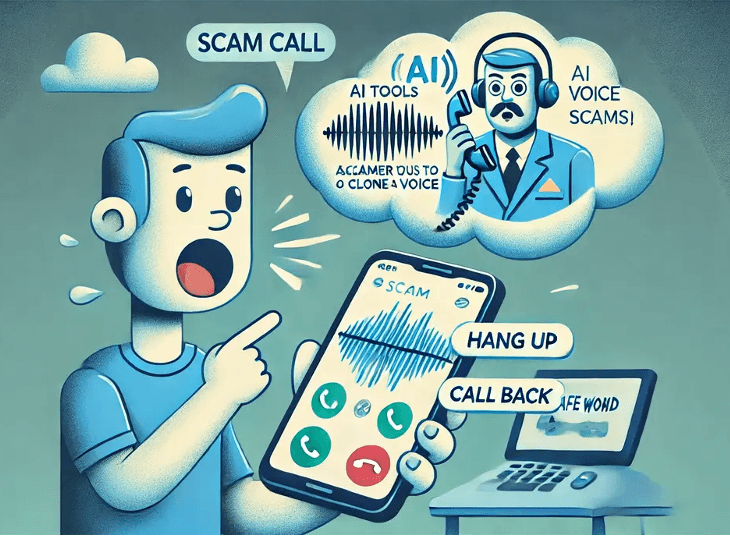
Technology has made our lives easier, but it has also given scammers new tools to deceive people—especially seniors. With the rise of AI-generated voice scams, deepfake videos, and highly personalized phishing attacks, fraudsters are getting more sophisticated. So how can you stay ahead?
✅ Daily scam alerts to keep you informed about new fraud tactics.
✅ Real-time scam detection for text messages, emails, and phone calls.
🔔 Sign up for SeniorShield alerts today and stay one step ahead of scammers.
AI-Generated Voice Scams (“Grandparent Scam”)
Scammers can now clone voices using just a few seconds of audio from social media or phone calls. They use this technology to impersonate family members in distress, often pretending to be a grandchild who needs urgent financial help.

• Verify the call by hanging up and calling the person back on a trusted number.
• Ask the caller a personal question only they would know.
• Never send money or gift cards without confirming the request through another method.
Deepfake Videos and Fake Facetime Calls
Imagine getting a video call from what looks like your real relative, asking for money. AI-powered deepfake technology is making this possible, tricking people into believing they are talking to someone they trust.
• Be cautious of unexpected requests for money, even if they look real.
• Use a code word system with family members for emergencies.
• If you suspect a deepfake, look for unnatural eye movements or audio mismatches.
Personalized Phishing Scams
AI tools allow scammers to generate hyper-personalized scam emails and text messages. Instead of generic messages, they now include your name, past purchase details, and even references to your interests to trick you into clicking malicious links.
• Avoid clicking on links from unknown senders.
• Look for spelling mistakes or urgent language, which are red flags.
• Enable two-factor authentication (2FA) on important accounts to prevent unauthorized access.
At SeniorShield, we are committed to staying ahead of scammers by providing:
✅ Education and training tools to help you and your loved ones recognize threats before they happen.
💡 Knowledge is your best defense! Stay informed, stay skeptical, and always verify before taking action.
Have You Encountered a Scam? Let Us Know!
If you or a loved one has recently come across a scam, share your story with us. Your experience could help others avoid becoming victims.
Additional Blog Posts
The Age of Fraud: What Every Family Needs to Know About Scams Targeting Seniors
Jul 21, 2025
BLOG
Coming Soon: SeniorShield’s Chrome Extension for Real-Time Scam Protection — Powered by Our CareSquad Acquisition
Jul 16, 2025
BLOG
New FBI Report Shows Seniors Lost Nearly $5 Billion to Scams in 2024 — Here’s How We Can Stop It
May 19, 2025
BLOG
The Real Cost of Senior Fraud — And Why It’s Time for a New Approach
Apr 28, 2025
BLOG
Why Senior Living Communities Must Make Scam Protection a Priority
Apr 12, 2025
BLOG
The Caregiver’s New Role: Adding Scam Protection to Your Client’s Circle of Care
Apr 11, 2025
BLOG
🚨 Beware of the Latest Toll Fee Scams—Now Targeting Drivers in These States! 🚨
Mar 7, 2025
BLOG
Protect Seniors from Holiday Scams with Awareness and Tools
Nov 25, 2024
BLOG
Fake Political Campaign Schemes Frauding Seniors
Oct 23, 2024
BLOG
The Expensive Cost of Senior Fraud
Oct 1, 2024
BLOG